Scots pine
Pinus sylvestris
Golden Scots pine resin, gathered from the bark in late summer, is one of the founding scents of the workshop.
Portrait
Scots pine is easy to spot from a distance: the bark is grey and deeply furrowed at the base, then turns orange and flaky higher up the trunk, as if the tree were blushing in the sun. Its short needles grow in pairs, slightly twisted, with a blue-green cast. Native to Eurasia, it was planted widely across Québec during the last century to hold sandy soils in place, and it has settled comfortably into the Laurentians.
Harvest and origin
When a pine is wounded by wind, an animal or a snapped branch, it weeps a clear resin that hardens into amber tears. That is what Étienne gathers, by hand, without ever cutting into the tree: only what has already run and dried on the bark. Late summer is the sweet spot, when the resin has had time to set but has not yet been dusted by winter. Every harvest is small and slow, and smells of warm forest floor.
In the workshop
Once sorted, the resin is melted gently into oil or steeped in alcohol to draw out a woody, faintly sweet scent with that edge of turpentine that recalls log cabins. It finds its way into balms, loose incense meant for charcoal, and some of the shop's perfumed oils. Drop a piece onto an ember and the whole forest walks into the room.
Our products are artisanal plant-based preparations. They are not intended to diagnose, treat, cure or prevent any disease.
In the shop
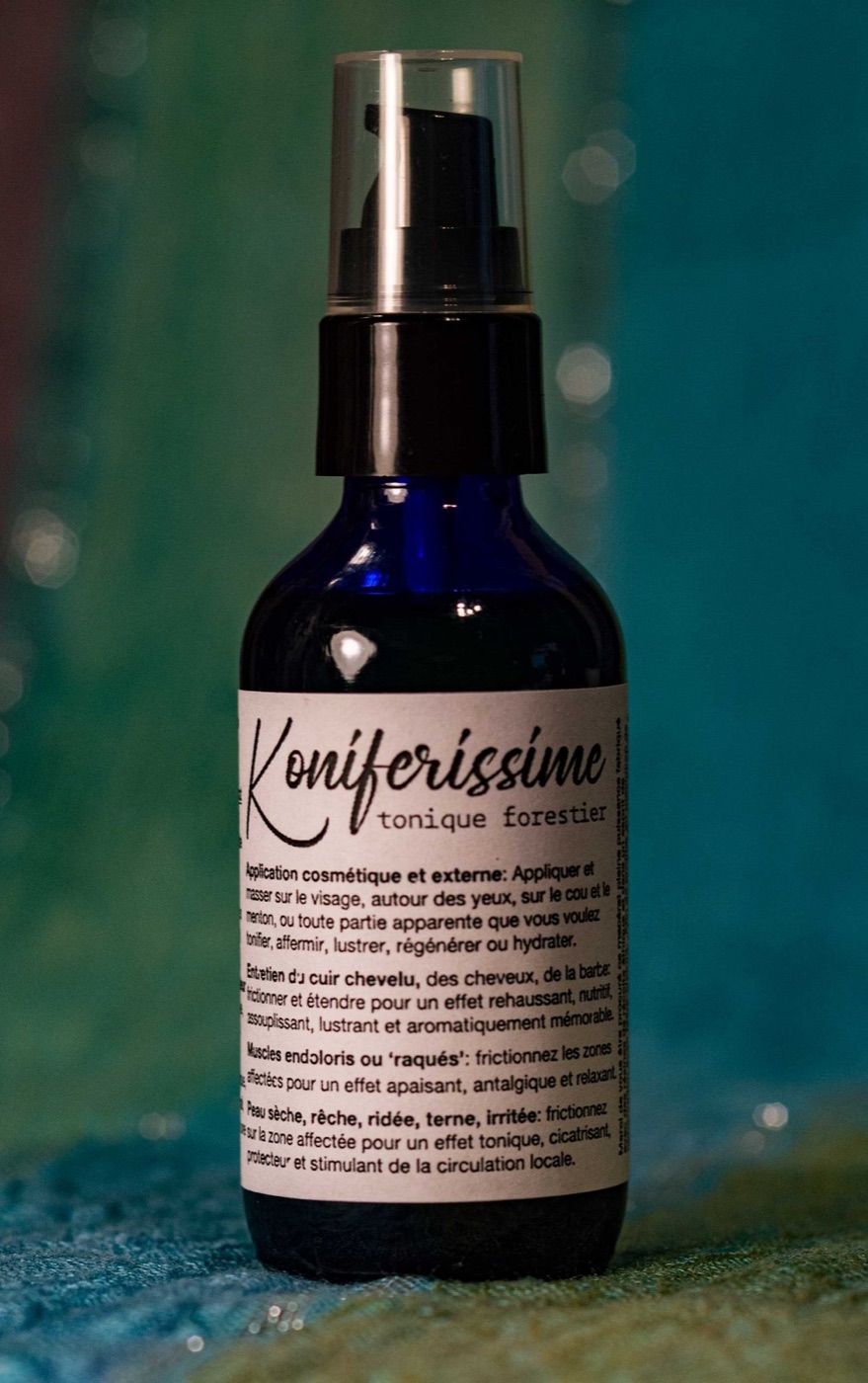 Favourite
Koniferissime — Pine Resin Oil
Pure macerate of Laurentian pine resins in avocado oil.
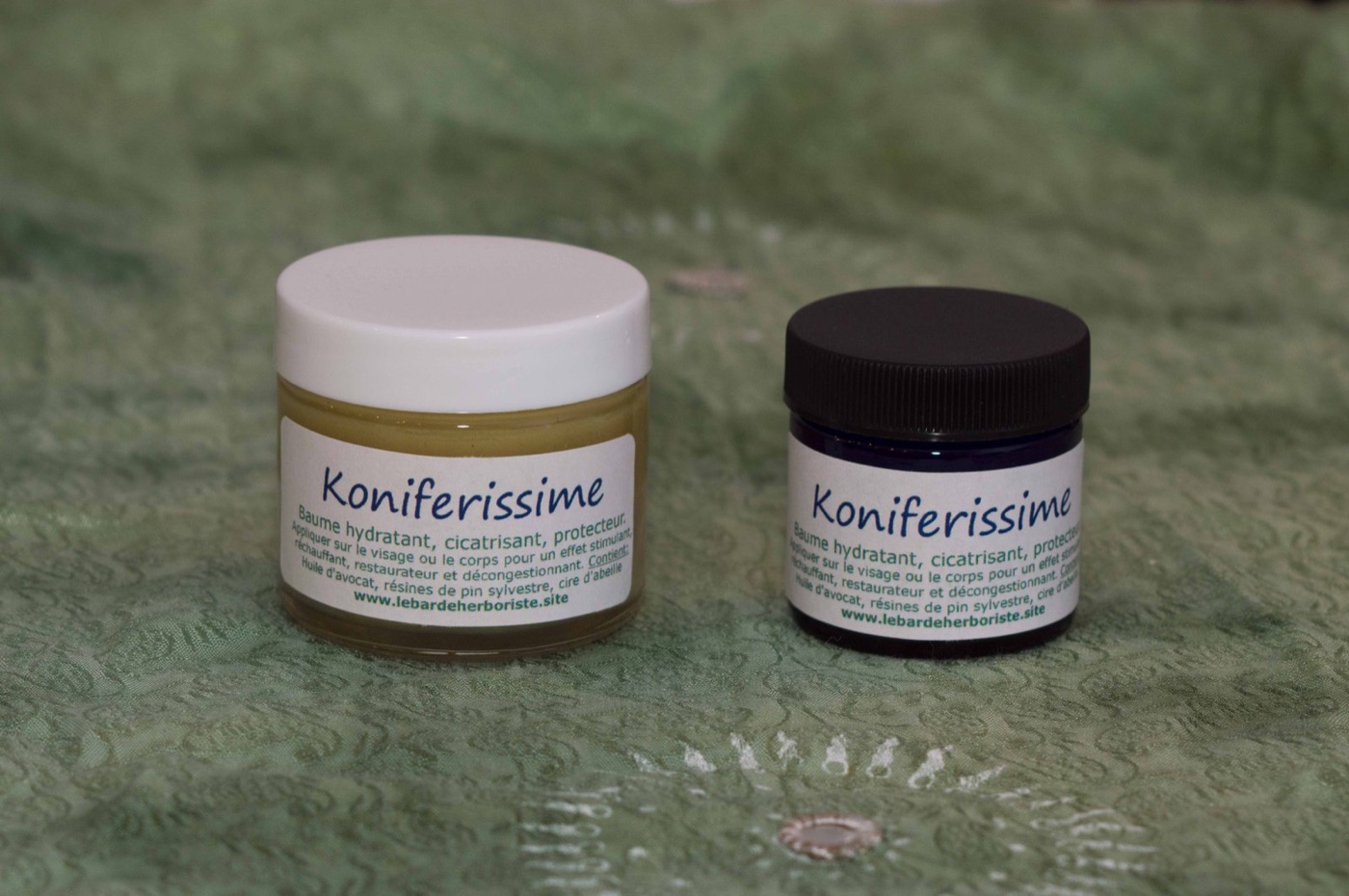 Favourite
Koniferissime — Forest Balm
The pine-resin balm — rich and lustrous.
Entre chien et loup — Perfume
Québec pine meets Haitian vetiver: woody, smoky, earthy.
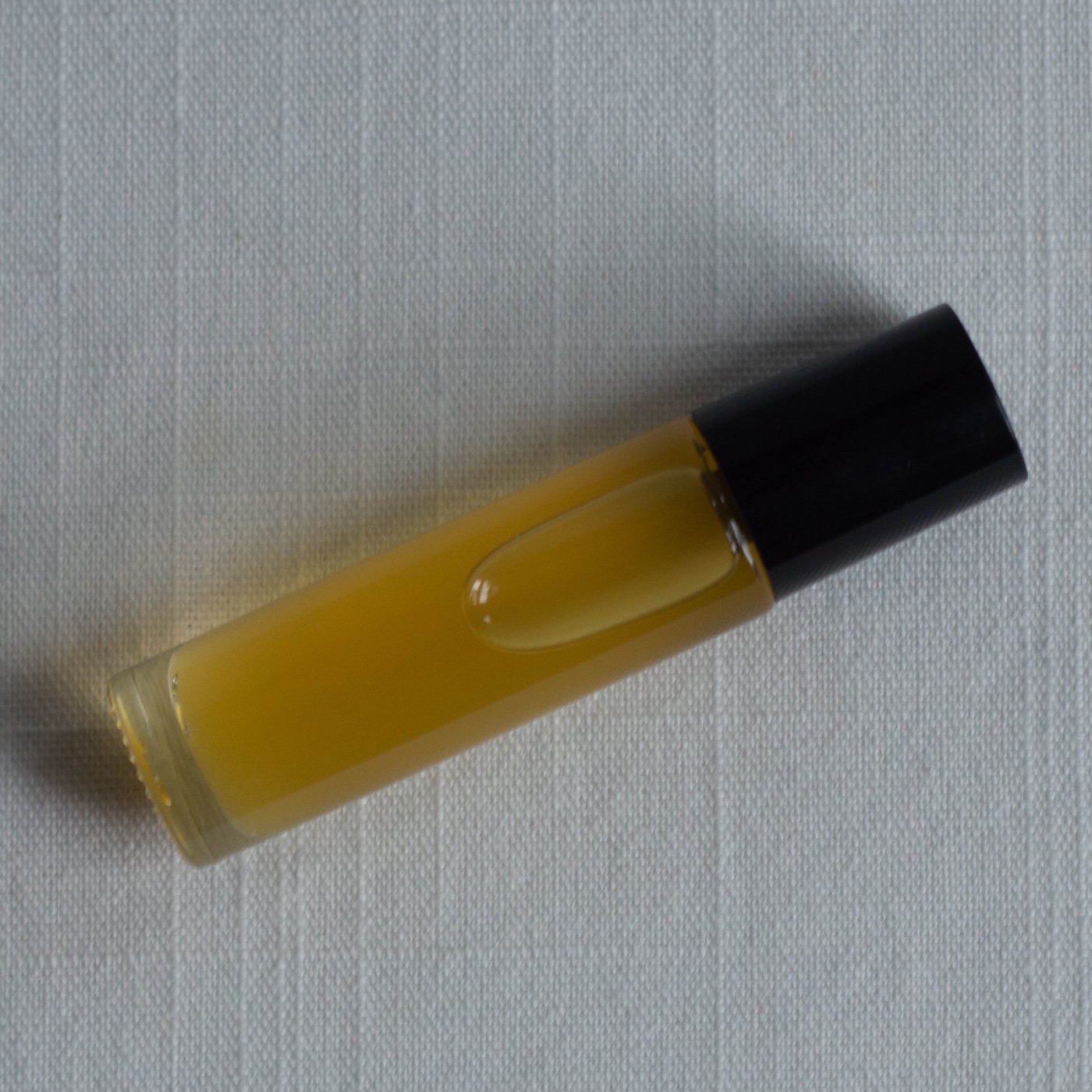
Pinacle — Resin Serum
Concentrated conifer-resin serum.
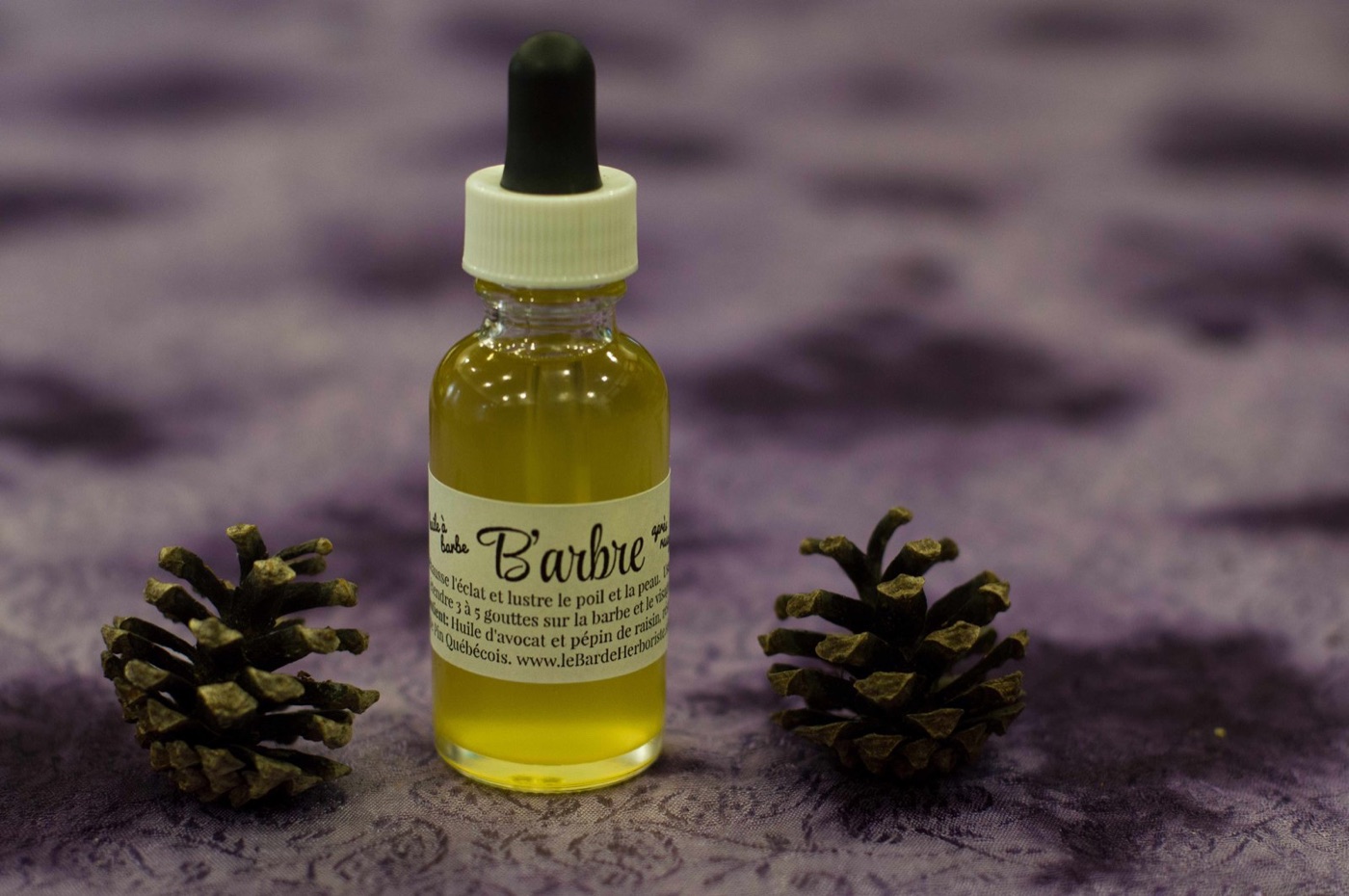
B'arbre — Beard Oil / Aftershave
Avocado and grapeseed oils with Québec pine resins. No additives.
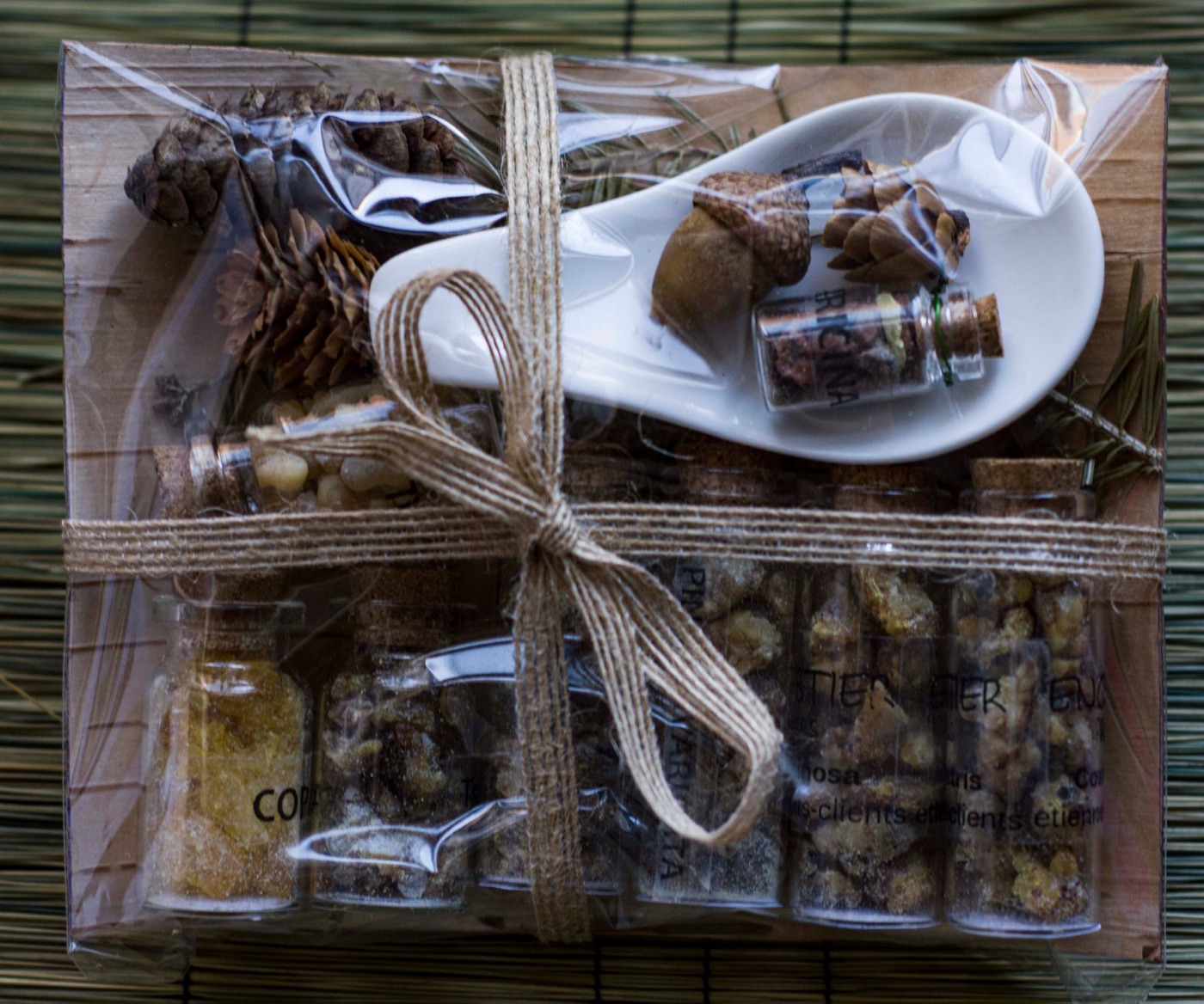
"Forest Aromas" Incense Kit (10 charcoals included)
Conifer resins and needles to burn on charcoal.
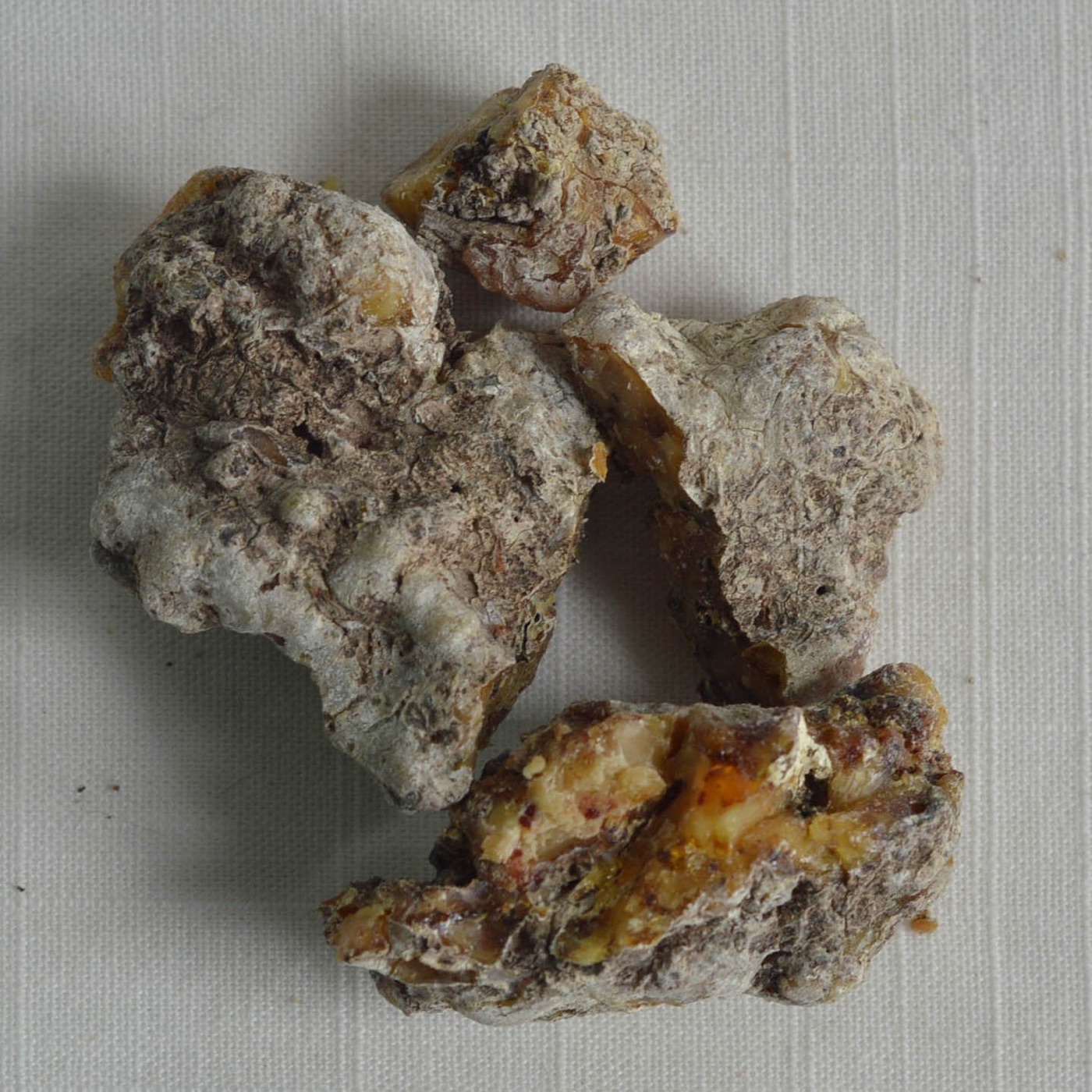
Scots Pine Resin
Raw resin hand-harvested in the Laurentians.