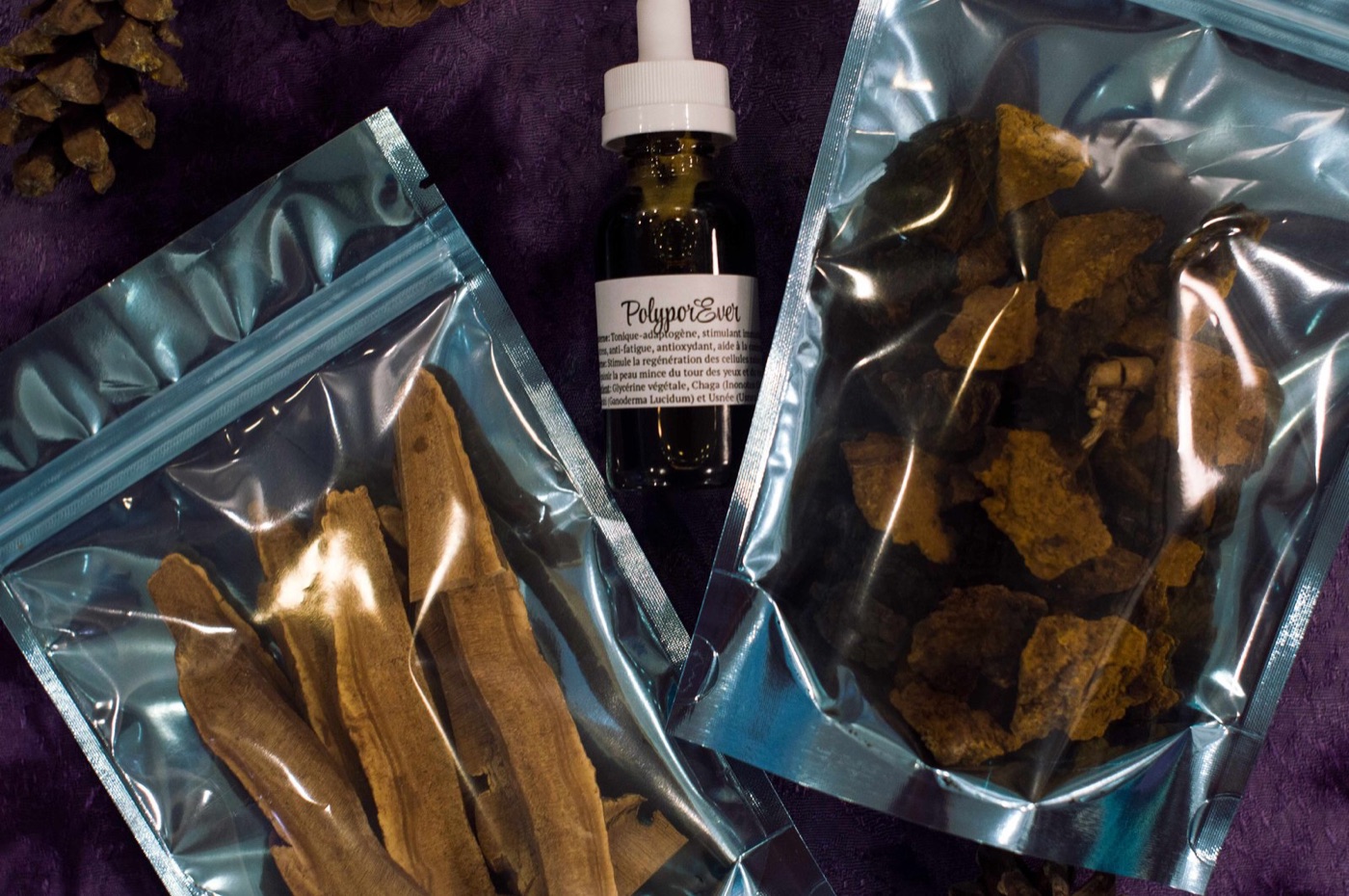
Astragalus
Astragalus membranaceus
A pale yellow root of the pea family, sliced into long tongue-depressor strips, with a mild flavour of beans.
Portrait
Astragalus is an unassuming perennial of the Mongolian and northern Chinese steppes. It belongs to the pea and clover family: compound leaves of many small leaflets, pale yellow flowers in clusters, seed pods by late summer. What is harvested is the root, long and fibrous, which drives deep into dry, sandy ground. It is light brown outside, cream-yellow inside, and smells of hay.
Huang qi
The Chinese call it huang qi, "the yellow elder", and it appears in the Shennong Bencao Jing, an herbal compiled nearly two thousand years ago. For centuries it has gone into the soups and broths of Chinese home cooking, simmered with chicken, red dates and ginger, the slices fished out before serving like a bay leaf.
Harvest and origin
The root is dug after four or five years of growth, in autumn, then washed, sliced on the bias and sun-dried. Those long, flat, slightly spongy strips are the most common form. Étienne selects it from certified organic importers, favouring wide, well-coloured slices.
In the workshop
In the shop, astragalus comes as slices for broths and decoctions, where it gives a golden liquid with a mild taste between bean and light licorice. It also goes into some of the tinctures.
Our products are artisanal plant-based preparations. They are not intended to diagnose, treat, cure or prevent any disease.