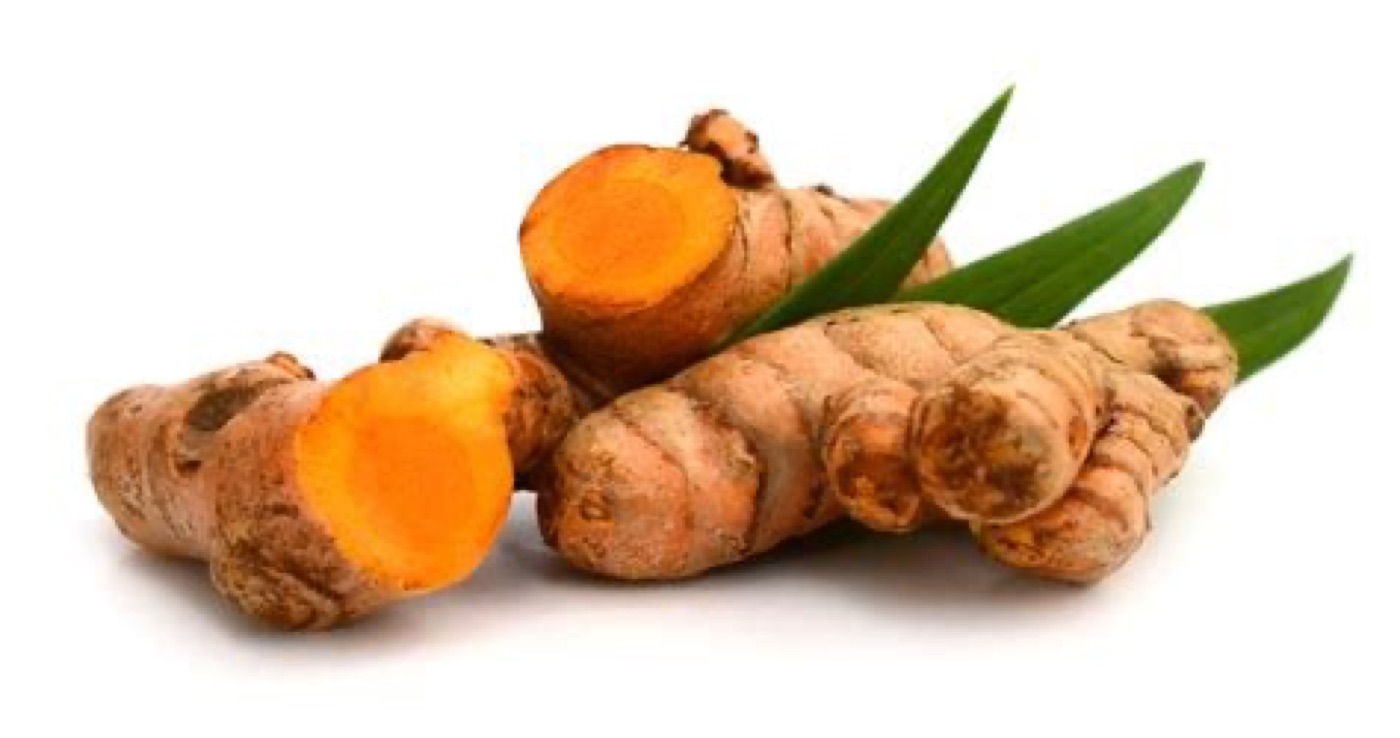
Turmeric
Curcuma longa
The orange rhizome that dyes everything it touches, from monks' robes to kitchen tablecloths, with a scent of earth and ginger.
Portrait
Turmeric is ginger's cousin, and you can tell by its long lance-shaped leaves and the knobbly rhizomes that run beneath the soil. Snap a fresh one: the inside is an incandescent, almost unreal orange, and the juice stains your fingers for the day. The plant flowers in white and pink spikes at the heart of its leaves, in the hot, humid regions of India and Southeast Asia.
Gold of the Indies
In India it is called haldi, and it has been part of daily life for four thousand years: in curry, in wedding rituals where the couple is smeared with yellow paste, in the dyeing of Buddhist monks' saffron robes. Marco Polo described it as a vegetable with all the qualities of saffron without being saffron. European dyers relied on it before synthetic colours for its vivid, if sun-shy, yellows.
Harvest and origin
The rhizome is dug after eight to ten months, when the leaves yellow. It is boiled, sun-dried until stone-hard, then polished. The shop's turmeric is organic, from India and Sri Lanka, as whole fingers or freshly ground.
In the workshop
In the kitchen it is a pillar: rice, lentils, warm milk with honey and pepper. Étienne also macerates it in oil, where it gives a brilliant golden tint, and blends it into a few spiced teas with ginger and cinnamon. A warm, earthy, faintly bitter scent.
Our products are artisanal plant-based preparations. They are not intended to diagnose, treat, cure or prevent any disease.